← Back to the Reading Table
Let's review
Review: Balloon Museum, Brussels
Native share sheet or link copied
Review: Balloon Museum, Brussels
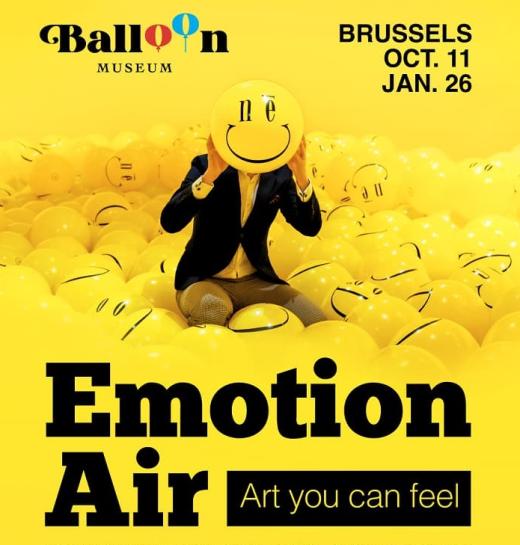
- Location: Brussels
- Nearest parking: Brussels Expo Parking B (€12)
- Visit date: Nov 30, morning
- Visit duration: 1.5–2 hours
- Open until: 26/01/2025
- Overall impression: Really enjoyable. Overstimulating and sometimes loud. I'd do it again.
Tickets and preparation
- Purchase: Tickets can be booked in advance or bought on site. You show the QR code of your ticket to the staff checking entries.
- Timing: We went on a Saturday morning (11:00). It got busier as the day went on.
Route and predictability
- Access/exit: Google Maps or Waze works well for finding the parking lot. The parking lot is pricey (€12 for any time slot within the same day), but as a result it's quiet and easy to access. Cross the street and you're at the museum entrance.
- Cloakroom: You pay €3 for the cloakroom, where items are kept behind a barrier under staff supervision.
- Layout: The path through the museum winds but is linear. It's hard to get lost. You have to walk through almost every room, but you can move through quickly if you want.
- Restrooms: At the start and end of the museum.
- Rest spots: There are few seating areas or auditorily calm zones in the museum.


Sensory experiences
- Lighting: There are lots of colors in the rooms, often flickering quickly and changing in color or brightness. I'd advise against the museum for people who are very sensitive to flashing visual stimuli.
- Sound: It's loud and rather unpredictable, with pleasant music in some rooms and harsher sounds or music in others. The museum also attracts a lot of children, who sometimes shout or call out loudly. I strongly recommend bringing earplugs or noise-cancelling headphones. One of the rooms contains foam, smoke and bubbles (protect your headphones from the soapy foam in this room). Another room, closer to the start, has unpredictable loud and unpleasant sounds: here you walk among large, lit-up balloon heads. This was the only room I skipped as quickly as possible.
- Touch: Most, but not all, exhibits have interactive elements, often with inflatable material. It invites people to push on it and create chaos, which makes it extra unpredictable. I got bumped by inflatable objects several times, which didn't hurt but was unexpected. Children also sometimes run around near you. Personally, I enjoyed a lot of the tactile experiences in the museum, especially swimming in the ball pit.
- Smells: The museum is largely odorless. A few things, like the smoke (from a smoke machine) or the soap bubbles, have a mildly unpleasant smell.
- Wetness: At one point you get disposable shoe covers, for entering the ball pit and afterward the bubble room. The ball pit won't get you wet, but in the bubble room bubbles, smoke and gentle water come down on you. Bring a poncho if you'd find that sensation unpleasant.
- Crowds: Most rooms are fairly large. If it's busy and a room fills up, that can feel a bit overwhelming.
- Hygiene: Besides the shoe covers mentioned above, you can optionally enjoy a short VR show about a circus performance. Hygienic face coverings are offered and recommended.
- Sensory overload: Most people, even those without ADHD or autism, will be overstimulated after visiting this museum. Personally I really enjoyed it, so it was definitely worth it. It's strongly recommended to plan some rest time afterward to decompress.


Distractibility
- Secure loose items: Bring a bag or clothing with zippable pockets; it's easy to lose something in the museum due to the high distraction level and dim lighting in the rooms. In one specific room, a space with an enormous ball pit, you're explicitly warned to hold on to your loose belongings before entering.
- Phone: You'll often use your phone to take photos. Be careful not to leave it behind or lose it.
- Info boards: Every new room is introduced with a large info board explaining what the (often interactive) artwork is about. Another board indicates how you may or may not interact with the room and its contents. The layout makes the museum easy to follow; it's genuinely hard to get lost or miss parts of the museum.
Emotional impact
All emotions: The art is specifically designed to evoke sensations and emotions. For people who get overstimulated quickly, it may be handy to bring fidget or stimming toys, or sensory buffers/protection.
Social interaction
- Staff: There's a lot of staff present, not always clearly visible, but recognizable by the museum's jackets/sweaters. They're friendly and approachable.
- Socializing: Aside from the entrance and optionally using the cloakroom or buying food, there are no required social interactions.
- Photography: Photography is allowed and encouraged; many people take photos in every room.
Food
- Seating: After the museum visit you end up in the shop/restaurant. There are small tables with 2–3 chairs near a few counters where you can order food.
- Selection: You can eat simple sandwiches and heated paninis (e.g. mozzarella and tomato, cheese and Parmesan, chicken+cheese+pesto). These are pre-made; it's unclear whether ingredients can be removed on request. There's a small selection of drinks available, both cold and hot. There are also sweets and a selection of desserts and pastries.
Originally published on the previous Brainspark website (30 November 2024, updated 1 December 2024).
Native share sheet or link copied